Category: Uncategorized

Partners In Action – iShine

Hello! Who are you and what do you do?

I am Hidayah, social work assistant from Punggol Family Service Centre (PgFSC). My job scope includes supporting the social workers, handling administrative duties and also facilitating the groupwork that PgFSC runs. I am one of the programme coordinators and facilitators for iShine @ PgFSC. The children who attend iShine, are identified from PgFSC case work where their families may be facing multiple stressors such as financial, marital and emotional issues. As a result, the children may not be exposed to functional coping behaviours which may affect their sense of self and their relationship with others. We were keen to help these children build their sense of self and learn skills to cope with their emotions and relationships.
What happens in the preparation for iShine?

We have a team of 5 who are involved in iShine@PgFSC. At the start of the year, EDIS Cares provided detailed iShine session plans for experiential learning activities under 3 different themes (I Am A Scientist, Junior Masterchef, Art & Nature). We incorporated socio-emotional skills such as communication, problem-solving and emotional regulation skills, with an aim of making it a fun experience for the children. A lot of planning and logistical preparations are required to setup each session. Sometimes it takes up to 2 weeks to source out the logistics required! As a main session facilitator, I also monitor the children’s behaviour and progress through-out the programme, as well as facilitate discussions regarding the socio-emotional learning goals of each session. We also support the mentors teamed up with the children, especially if they need help to manage any child who might get over zealous during the activities.
Which iShine session do you remember best and why?

My most memorable iShine session was the Crime Scene Investigation (CSI) session, under the “I Am a Scientist” theme. The iShine team had to do a short skit, and set up the FSC to look like a crime scene.  Our team learnt to weave in the socioemotional components as seamlessly into EDIS Cares’ experiential activity plan as we could – we were surprised at our own creativity!
At the actual session, the children were very into their roles as investigators. They were scrutinising and taking note of little details that we had tried to hide, brainstorming possibilities and even questioning the suspects beyond the questions we had given them. When I saw how the children enthusiastically responded to the experiential activity and learnt problem-solving skills, I felt a sense of achievement.


What do you think is the impact of iShine?

At the end of every iShine session, children will bring back social values and skills that they have learnt. They are able to recall and understand these skills based on the activities they have gone through. I noticed that towards the end of every theme the children begin to practice these skills e.g. they work better in their groups, take turns and better communicate their feelings.

Caregivers have been very supportive and they have shown keen interest to learn more parenting skills in the parallel Shining Series sessions. They shared that they are able to practice what they have learnt and feel encouraged by the results.  During the Shining families activities, there are parents who actively participate with their children so as to build positive memories as they spend quality time together.


How is EDIS Cares as a partner?

EDIS Cares has been a very supportive and understanding partner. Having Hsinee and her team behind us and ever ready to support us gave us the confidence to make iShine better! EDIS Cares has been very open towards Punggol FSC making modifications to the activities to weave in socio-emotional skills and knowledge. This has allowed the children to learn important life skills while experiencing activities that they may not have a chance to otherwise! We see this as a valuable partnership and look forward to future years of continued collaboration!

Faithfully Responding to the Call

1

Proverbs 22:6 “Train up a child in the way he should go and when he is old he will not depart from it.”

Hello! My name is Elizabeth, and I work as a counsellor in a primary school. One of my passions in life from a very young age has been being to be a spokeswoman for the rights of children. In my career path first as a teacher and later as pastor and counsellor I have always been inevitably drawn to children. Like-wise children find it easy to connect with me and share with me their stories.

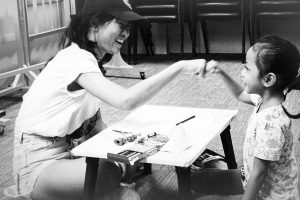
Early in 2017, I came to know that my church St Paul’s was going to be one of the venues for ‘Care Club’, a ministry of Prison Fellowship Singapore to children. I felt God’s prompting in my heart to respond as a volunteer. The programme’s aim was to mentor the children through tuition and character  moulding activities.

As passionate as I was, I felt a little apprehensive: Was I suitable? Was I sufficiently equipped? As I lifted these thoughts to God in prayer, I felt Him asking me to be available and willing to offer my gifts. He would do the rest. I applied and was accepted as a volunteer for the Early Learning Programme (ELP) component of Care Club.

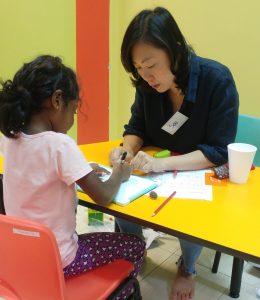
The child I was assigned to was a little boy who had special needs. I again questioned my ability to manage this child effectively even though I had some training. However, at my first meeting with him it was “love at first sight”. He was so cute and adorable although challenging at times. God was true to His word. He used all my training as a counsellor and teacher. Most of all, God’s wisdom helped me cope with moments in a positive way.
The ELP team were also committed and a source of inspiration. Lesson curriculum for each week was given to the tutors and feedback received each week. This helped to further enhance the teaching and learning taking place. Periodic training sessions were also held to equip us further in our efforts to teach and mentor the children in a positive way. Feedback from volunteers were taken seriously and we made changes so as to minister to the children more effectively.

I also value and respect efforts put into the planning of Care Club as a whole. Beyond the ELP’s academic component, Care Club also ministers to the social, emotional, physical, mental and spiritual needs of the children. This is done through fun and creative ways like tele-matches, songs, outings and games. These are things we take for granted but for these children it is about life changing experiences, learning from mistakes, learning to be thankful and mindful of those less fortunate, learning good manners and positive behaviour. I believe that this is an awesome work that will impact their generation and beyond as these children in turn become a source of inspiration and blessing to others.

EDIS Cares Supporters Letter 2019

With the launch of “Neither Civil Nor Servant – the Philip Yeo Story” in November 2016, we had committed to our supporters to impact 300 children in the following three years.  From 2017, we began expanding our three programmes, Milk & Diapers (“M&D”), the Early Learning Programme and iShine befriending, to multiple charities. In 2018, we added a new pilot programme, Play and Talk.


Now, at the end of 2019, we are pleased to share that EDIS Cares programmes touched a total of 370 children from 2017 to 2019.  Throughout this period, we maintained regular touchpoints with the children and/or their families through committed volunteers. Children in our programmes are supported for at least 10 sessions (a half year run of Play and Talk), and up to a maximum of close to 30 sessions (a full year run of the Early Learning Programme). Our Milk & Diapers is integrated with an existing family-befriending programme.


We have a video about our impact till 2019 here on our website that showcase pictures from the programmes, as well as interviews with volunteers and a beneficiary.


Letter 2019 Part 1


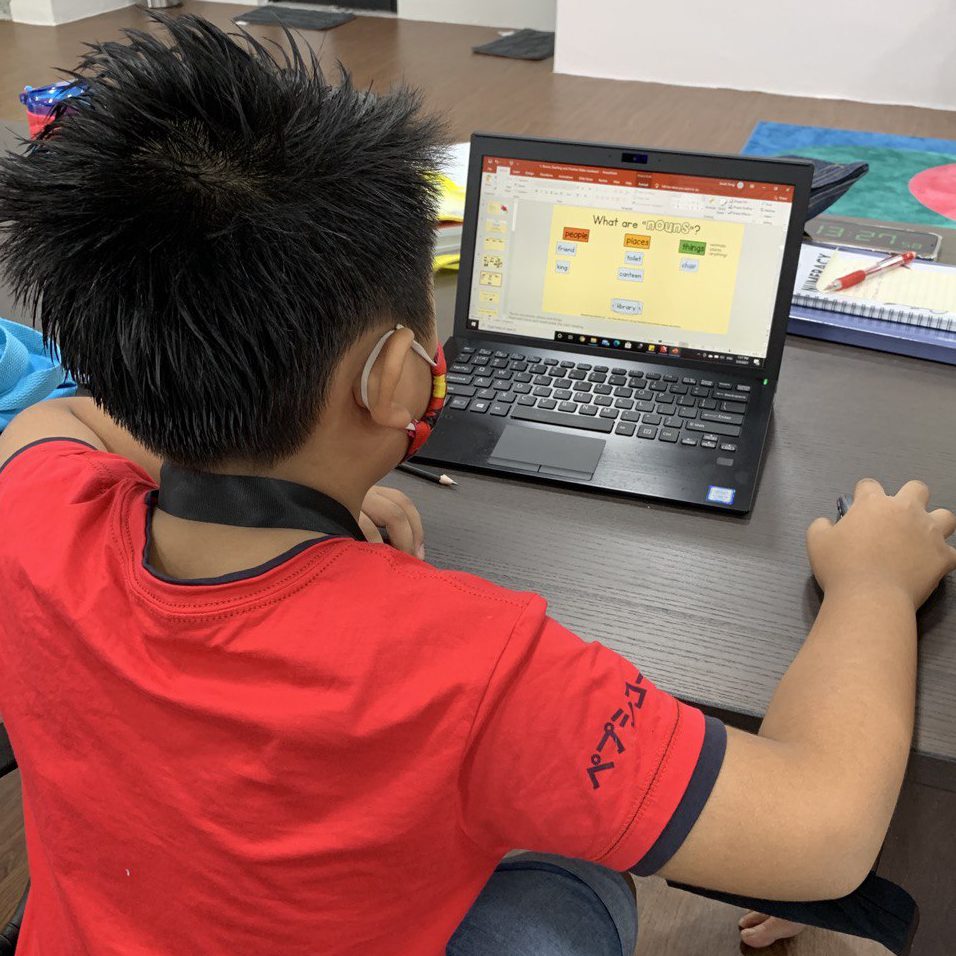
Over the 3 years, our Early Learning Programme (ELP) ran at five charities, with two, FaithActs and Prison Fellowship Singapore, operating the ELP at two sites each. The ELP was developed by the EDIS Cares’ team to build the literacy and numeracy foundations of 6-7 year old children who have fallen behind from pre-school. Volunteers were trained on intervention-based approaches and provided with comprehensive teaching materials. The programme saw its biggest impact on children with learning difficulties and/or who were unschooled due to citizenship issues. The literacy scores of some of these children improved 7-fold. We began piloting “ELP+” from 2018, focusing on grammar and reading comprehension, to bridge the children to primary school requirements.


Letter 2019 Part 2

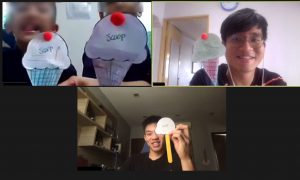
Punggol Family Service Centre under AMKFSC Community Services expanded, iShine, our befriending programme for 8-11 year olds into a “Shining Series” incorporating sessions for caregivers and families. iShine was designed by the EDIS Cares team to be a thematic experiential journey that the children go through with their volunteer mentors. The past three years saw a myriad of sessions under themes ranging from “A Day as a Scientist”, “Design a City”, to “Art and Nature”.  These sessions enabled the children to build positive relationships with their mentors and peers, gain self-confidence and learn emotional regulation skills.


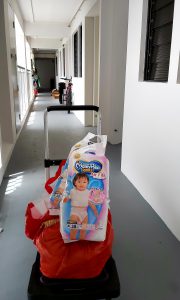
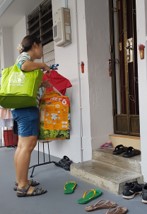
Our Milk and Diapers programme was coupled with a volunteer mentoring programme and piloted at Babes, a charity for teenage mothers in 2017 – this led to Babes setting up a similar programme inhouse called “Stork”. In 2018, we extended our support from babies and toddlers to older children as well, through Prison Fellowship Singapore. These children came from families which have at least one parent incarcerated; they are under-nourished due to their families’ limited incomes. The supply of UHT milk became daily meal supplements for these school-going children and improved their ability to focus in class.


Finally, a new pilot English language stimulation programme, Play and Talk, was piloted at Fei Yue Family Service Centre (Champions Way) for 3-7 year olds in 2018 and enhanced in 2019. The children benefitted from the chances to play, communicate with adults and to interact with other children in an informal group setting. Over time, the children became more confident, social and vocal, especially those with special needs.


Letter 2019 Part 3

We intend to build on the good work you have enabled in the past 3 years, into 2020 and beyond. Importantly, we have learnt that the key factors that enable our programmes to scale across charities are funding of partial headcount costs, raising volunteer leaders and providing sufficient volunteer training. With this knowledge, we will continue to work with our long-term charity partners to provide our programmes to more children. In addition, we will identify other charities that need similar support.


We have been privileged to be on this journey and to have impacted so many children because of your generous support. This is your impact. Your trust and continued support are greatly appreciated by our team, the charities as well as the children and their families.


Partners In Actions – ELP

We are from Prison Fellowship Singapore (PFS), a Christian voluntary welfare organisation that ministers to men and women in Singapore’s prison system (inmates and ex-offenders) and their families. We run a weekly support group called Care Club for children and youth aged 6-16 who have a parent or close family member who is currently incarcerated or recently released from prison.


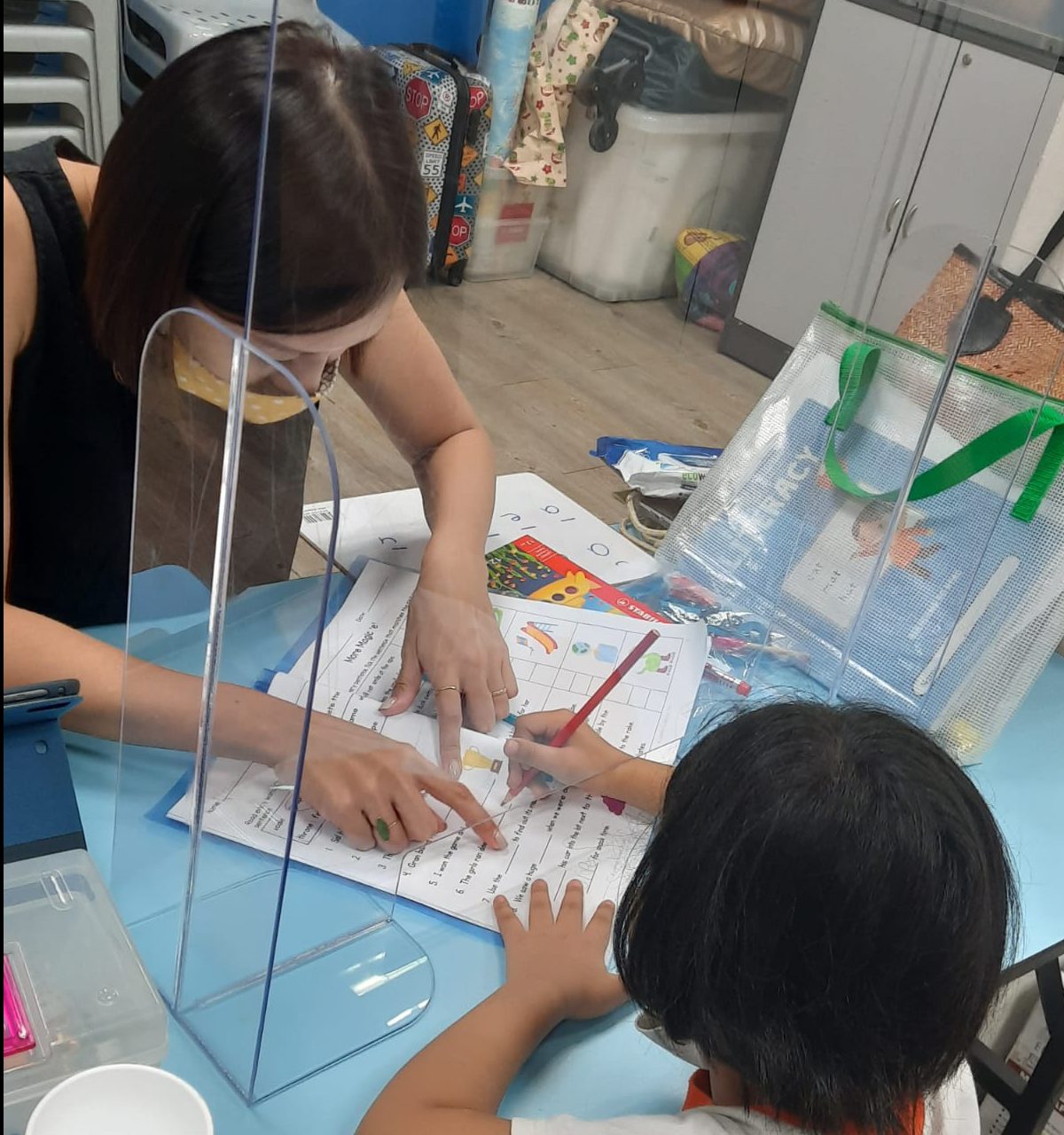
At Care Club we provide one-to- one tuition and other activities for the children every Saturday morning. However, even with teaching by our dedicated volunteers, many of the children still struggle with basic concepts. Some cannot read and fail their exams in primary 1. Coming from a disadvantaged family background, our children do not have the same learning opportunities as their peers. Their self-esteem is affected at an early age due to their inability to catch up in school.


We hoped to help the children and caregivers overcome these obstacles, give them a strong foundation and interest in learning, and help them reach their fullest potential. We did not have the professional expertise and resources in early childhood education because we rely on volunteers who are usually not trained in this. Hence we were very excited and grateful when EDIS Cares proposed to run the Early Learning Programme (ELP) at PFS Care Club.


In 2017, we had 7 children aged 6-10 attending the ELP at Care Club. The programme is very structured and we have received a lot of support from EDIS staff and the ELP Literacy Therapist. Training and resource materials were provided for our volunteers. The ELP Literacy Therapist provided continuous feedback and support by looking through the volunteers’ lesson plans every week and coming down to our centre to observe the sessions and troubleshoot problems.


Our children enjoy the programme very much and there has also been noticeable improvement in their learning and positive feedback from their caregivers and teachers. Children who are normally very hyperactive during other programmes are able to sit down and focus for the one-hour ELP time slot. One caregiver reported that “there is a difference in my child’s pronunciation and choice of words.”


There was one child who had already started attending Primary 1 but whom we placed in ELP because she was unable to read. She received these comments from her form teacher in her report book: “She has made great progress across the curriculum since the beginning of the school year. I am so proud of her progress and she continues to have this positive outlook towards education!”


Volunteers also have positive feedback about the programme. One said that she “rejoiced to see the child’s reading skills improve after every session.” They also felt well supported with the resources, training and help with the lesson plans.


In summary, the ELP has been a great benefit for our young children of preschool standard of learning. It has provided the expertise and resources that we previously did not have access to to help these children. The children are able to prepare for mainstream education, understand that learning can be made interesting and enjoyable, and recognise the value of acquiring knowledge. Our children’s self-esteem and confidence have also increased as the ELP has helped to bridge the gap between them and their peers. We hope that the ELP can be continued for subsequent years at PFS in order to benefit more of the children attending Care Club.

My iShine Experience

Lynn is in the final year of her Bachelor Degree in Social Work.


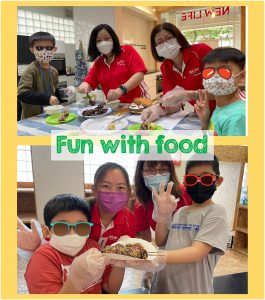
I started volunteering in iShine in 2016, which is a befriending programme for children aged 8 to 12 years old. It has been a very fulfilling journey, as we get to interact with and guide children even as we participate in activities which we normally may not do. For instance, we had outings to a farm and to a foodcourt operated by handicapped people; we made sushi as well as play dough using ingredients like flour, salt and oil with the children. Needless to say, it was a really engaging experience for us volunteers!


What is your best memory of iShine?

We have many memorable experiences in iShine, but the most meaningful for me is the bond that we build with the children. Children and volunteers are grouped into teams at the start of a new year, and most of the time, we may not be in the same team as those whom we worked with previously. Despite the changes, the children will still greet us when they see us. For example, there was a boy who approached me during a session and said, “I remember you, but I don’t remember your name.” Then he went on to share with me about his school, life and we chatted without any thoughts of, hey, you are not in my team now and stuff like that. I do feel very heartened when I see the closeness between the volunteers and children.


Did you encounter any challenges?

Yes, of course, not everything we do is a bed of roses. We do have our fair share of challenges too, and one would be the management of behaviours and emotions that the children might display during sessions. A lot of teamwork is required from the volunteers, and we learned how to adjust ourselves to our team-mate’s style of mentoring so as to benefit the children. We also keep each other updated through our own chat group after every session so that volunteers who were absent also know what happened.


Any other thoughts?

Overall, I enjoy this form of volunteering, as it shifts the focus away from the children’s academics, and focuses more on their socio-emotional growth. iShine’s activities and outings are also a means for us to teach the children skills and values like communication, negotiation, respect, etc. which are valuable and applicable in many situations that they will come across. Knowing that I have played a part in making positive changes to the children’s development has given me a sense of fulfilment, and I wish to continue being a positive influence for the children that I come across.


 4

Gaining Confidence to Volunteer

Jane is a retiree.

dpp_0020_cut

I became a volunteer with Prison Fellowship Singapore (“PFS”) in January 2017 and was assigned to tutor a 6 year old boy. As I was not previously trained in early childhood education, I had no idea what he needed to learn and know academically at his age. I tried to read the relevant Ministry of Education framework and guidelines but still could not figure out what needed to be done. I bought some assessment books and hoped that with these I would be able to guide the child on what he did not know/understand. However, I was very worried that it may not help him much as this was not a systematic approach.

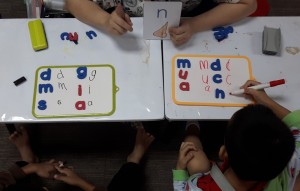
Thank God that some time in March 17, PSF collaborated with EDIS Cares to bring in the Early Learning Programme (ELP). We attended a training workshop led by Sharon Yeoh, Literacy Therapist, where we learned how to teach foundational literacy and numeracy. We were given teaching materials and access to online folders where printable materials and video clips for teaching sessions are available. We also received a test to assess the child’s academic level before we started ELP lessons. We used that for subsequent review of the child’s progress. After the workshop, I became more confident about teaching the child.

I am grateful that Sharon also helped to prepare lesson plans for us for the initial few months. After that she reviewed lesson plans we did until we were more comfortable to do it on our own.

With the support, I was able to teach the child the letter names, letter sounds and sight words.  He is also able to work out the sum of two numbers beyond 10.  When the child got tired of academic work, I had fun exercises to train his other skills.

Time flies and 8 months of my volunteering journey have passed. It has been so fulfilling to walk with the child in his academic development.  I am very glad to see that he has improved in his literacy, numeracy, colouring skill and attention span.

Thoughts From The Youngest

Rachel is currently working as an assistant teacher in a preschool. 


I was told that I am one of the youngest volunteers in the Early Learning Programme (ELP).


My journey as an ELP volunteer has been an enriching and enjoyable one. Volunteering for ELP has widely broadened my perspective of teaching and dealing with preschool children. When I first started out, I was really curious and worried how the children would act and behave as I knew that these children came from complicated family backgrounds. However, my worries washed away when I started teaching them.


20170729_110433_cropped


I was paired up with two adorable and lovely girls (which I am totally thankful and grateful for). Even though they were considered to be the weaker ones academically in the group, their enthusiasm and passion for learning never failed to bring a smile to my face. I was extremely determined to make sure that these two girls will benefit from these sessions so that they would be able to cope with school. Hence, whenever they managed to do and learn something new, I wanted to do even more for them.


Throughout my volunteering journey, the only challenge I have had was to think of how and what I can do to help the girls better. As they both have different learning styles, I had to customize the teaching so that both of them can benefit equally. Surprisingly, the girls quickly formed a bond with me, and were always asking for “Teacher Rachel”, even after the programme ended.


All in all, I really had fun teaching the children. I too have actually learned quite a lot from them. If given the opportunity I would definitely continue to volunteer for ELP.

A Successful Partnership


Vital Tan
is a Programme Manager at Care Corner Family Service Centre (Queenstown).


vital_filtered


Prior to entering the social service sector, I was working in market research and also co-managed my own boutique interactive agency for a few years, handling mainly web design projects. Through the course of my work, I realised that working with people and doing work that actually matters or makes a positive difference in people’s lives really motivated me, hence the move to explore social services, especially in an organisation that nurtures and values relationships, with both its clients and also partners.


In my previous work, we’re constantly thinking about strategic partnerships and this continues to be a major aspect of my work in the Family Service Centre, looking for partners that complement us, and vice versa, to reach out into the community to help vulnerable individuals and families, to empower them to enhance their own well-being. EDIS Cares approached us in the same spirit of partnership, to explore and co-design specific programmes like Milk & Diapers and the Early Learning Programme. They shared a similar vision of providing more upstream intervention, to enable and support our clients and more specifically their children, and seeking means to support their early development which would hopefully then open doors for more possibilities for these families.


Both programmes have now run for about 3 yrs, and I am greatly encouraged by the results that we see. With Milk & Diapers, we can see that clients have become more aware of the needs of their young in terms of hygiene and nutrition. There is effort to set aside time for sessions with our social workers whilst allowing clients to take encouraging steps towards being self-sufficient caregivers for their young. Last but not least, the nutritional needs, which can be tied to cognitive development, of the children are met. With the Early Learning Programme, we are also more able to reach out to young children aged 6 & 7 and their parents, to help support the children in reaching academic and developmental milestones appropriate for their age. Through past runs of the programme, we have seen positive results for the children in key aspects including academics, social functioning and confidence. Some of the parents also become more aware of the learning needs of their children through the programme, which is a crucial step towards learning how to support their children’s learning.


EDIS Cares brought along not only dedicated staff who worked closely with us in every step of the programmes’ development and implementation, but also key resources such as funding, sponsored external expertise, as well as crucial manpower via volunteers from their affiliated networks. Our partnership with EDIS Cares highlights the importance and value of such community partnerships, whereby each partner brings something valuable to the table and together we co-own projects and initiatives, such that there can be more sustainability and potential for growth. Whilst our centre has access to clients and insight into the needs of our clients, our resources and areas of expertise will be limited. By coming together, we can reach out to more vulnerable individuals and families in the community and do more impactful work through our collective resources, skillsets and knowledge.

A Volunteer’s Impressions

Melissa Vegas moved to Singapore from Goa, India in July 2015.  She has a Bachelors in Architecture from Goa College of Architecture, India and a Masters in Built Environment from University College London.  She is currently working as a Senior Designer at Aedas on one of the many MRT projects in Singapore, and volunteered in iShine’s “Design A City” theme which ran for 4 Saturdays from July to August 2016. She is also a member of Society of St Vincent de Paul, a Catholic charity dedicated to serving and empowering the poor and under-privileged.  In her free time, she pursues different interests including the arts, heritage, social dancing, trekking and capoeira. 


whatsapp-image-2017-02-16-at-15-38-37


It was a Saturday morning in July, I found myself with a couple of my colleagues in the sunny atrium of the URA building being briefed by a member of the iShine team on the do’s and don’ts for volunteering with children. In this instance, with children participating in iShine’s Design a City theme. The session today was going to be a tour of the URA city gallery and introduction to their project. Sleep deprived and tired from the work week, I watched, with a hint of apprehension as the kids scampered off the bus and burst through double doors with the energy only children seem to have. The energy was contagious and I was gently nagged into a state of heightened awareness. The iShine Team expertly started directing the children for their tour through the URA galleries. And what followed was a stream of inquiring questions, and clusters around the interactive screens where everyone waited their turn. Finally we settled into our workspace – armed with post-its and colour markers, we set out to design our Dream City in the year 2035! I left the building that day with a feeling of lightness and a much needed change in perspective.


Now is perhaps a good time to mention that I work as an architect, and moved to Singapore for my present job. I am extremely lucky to be part of a very specialized team that designs MRT (Mass Rapid Transit) systems, here in Singapore and the region. My volunteering experience in the past has mainly been centered on befriending seniors and working with kids and would include activities like arts and craft, puzzles and games. This would be the first opportunity I had to combine my design skills with volunteering, a challenging combination for a professional.


Fortunately the programme was well structured and apart from allowing the children to explore architecturally interesting spaces like the URA and Fusionopolis, it was focused on drawing out the children’s natural skill set.

For example,

  • (i) the budgeting activity in the second session helped prioritise various interests and forced each team to come to a democratic consensus;
  • (ii) the model building in the third session nurtured sensory and material sensitivity;
  • (iii) Presentations in the last session built self-esteem and public speaking skills.


I learnt early on that there were no lack of ideas and it was best to sit back and make sure every child is heard and included.  Sometimes it’s not really in the ‘doing’, but just ‘being’ that makes the difference.


My primary challenge with volunteering with children that they need time. As a volunteer it is important to be consistent, as children can get attached quite easily. I remember when I skipped a weekend, I was continually asked why I had not come. Another challenge for me was when the kids, being kids, acted out. This may be in the form of fighting with each other or remaining unresponsive or elusive. It is best to leave situations like these to a core, regular team member or the social worker on-attendance who are trained professionals and know the case history of each child. So when you do decide to volunteer it is important to know from the organizers who are the children you will be working with? Their background? And how and why my appearance (presence) is going to benefit them?


Do I recommend Volunteering? Whether you are in Singapore for a while like me or a local, volunteering helps you get the essence of a country like nothing else. I would say give it a shot; but add that it’s not for everyone. If it works for you, that’s great! For me, I can say that it makes me grateful and mindful of the world around. And reminds me that there are different ways of being and it’s alright. This is why I keep volunteering!

The Cry of the Poor

Our very first Blog Post is written by Charlene Chua, a pioneer EDIS staff. Charlene was working in the urban development sector in Singapore for 9 years when she felt the need to discern her calling in life. She subsequently spent 5 months in New Zealand attending a spiritual programme and 7 months in Cambodia as a volunteer teacher. Currently based in the Philippines, she continues her process of discernment in a Catholic religious formation house. Charlene’s interests are in social issues (especially the marginalised), geography and playing football.


OLYMPUS DIGITAL CAMERA


The Cry of the Poor


 As an aspirant undergoing religious formation, my main duties are to study well, pray well and work well. ‘Work’ entails the responsibilities I am assigned, which can be in the form of cleaning, washing, cooking, preparing for celebrations (there are many in a Salesian house!), etc. While in formation, we are less involved in the active part of the Salesian mission – to reach out to the poor, especially the young, in society.


The sight of the poor is becoming all too familiar. No matter which country I am in, the voiceless poor are crying out.


  • In Pyin Oo Lwin, Myanmar, a band of beggars live in a squatter next to the train station. Many of them come from other parts of the country in search for a means to survive. Unfortunately, they cannot find work and often resort to stealing.


  • In New Zealand, there are homeless people sleeping on the streets wrapped in black trash bags to keep themselves warm in winter.


  • In Singapore, I was told a story of a single mother with 5 children who is doing part-time work so that she has the flexibility in hours to take care of her children. Her single income can barely make ends meet.


Rich or poor, developed or developing, every country has their share of poor. Sometimes they are visible, other times they are hidden. How can this be? Why are there so many people who are suffering? These are questions we should be asking.


At a more personal level, I think we should also be asking ourselves:


  • Do I want to see the poor?


  • Do I have the courage to look at the poor in the eye and in good conscience not do anything about it?


What has the poor got to do with me?


It is sad, but this is a question that some people ask or are tempted to ask.


In countries like Singapore where meritocracy is highly lauded, we are taught that if you work hard, you will do well. But is this always true? The fact is that no two human beings are the same. From a genetic point of view, we are born with different abilities and disabilities. From a societal point of view, the options and opportunities available to each person differ, no matter how much we try to even out the playing field.


Arising from our growing individualistic attitudes, the sense of entitlement runs high in some. They believe that what they have earned is through their own effort and hard work, hence everything belongs to them and they have the right to keep it solely for themselves.


We know that historically, man never used to live in such an individualistic manner. Living conditions were often much more communal and things were shared within the community. Those who had more gave to those who had less. In the Singapore context, we do not even have to think too far back. The ‘kampong’ (‘village’ in Malay) environment that some of our parents or grandparents lived in in the 1960s was exactly that. The ‘kampong spirit’ that we sometimes refer to includes the spirit of sharing.


Humans are clearly social beings and are made for community. This necessarily means that we have a responsibility towards others who are part of our community, i.e. the society/world in which we live. How can we live in good conscience when there are so many poor people in our midst?


We Need To Act 


I cannot emphasise enough the urgency of this call to action I am making. There are too many poor, too many people who are living without proper shelter, food, water and sanitation. In a recent BBC report, it says that nearly a fifth of children in developing countries – almost 385 million young lives – are living in extreme poverty, according to the World Bank and UN’s children’s agency.


So what can you do? Let me suggest some possible ways:


  • Look for organisations, agencies, interest groups that work with marginalised groups in society. See which you are interested in or moves your heart. Contact them to ask how you can play a part.


  • Set aside some money each month for a charitable course. Donate to the cause(s) which are most in need or you find meaningful.


  • Commit to volunteering, whether on your own or with an existing volunteer group.


  • Start thinking about the causes of these inequalities and injustices and ask yourself how you or anyone you know can do something about it. Social action is important but social justice (ways to alleviate the causes of these inequalities) is even more pertinent.


  • Unite yourself in spirit with the poor by making some material sacrifices. For example, you could choose to forgo buying an item which you desire, eat one less meal a day or eat less in a meal, make an intentional choice to simplify the way you live, etc.


  • Pray for the poor and less fortunate every day.


This list is not at all exhaustive but it can be a way to start.